exoticparrotandcage.com

admin

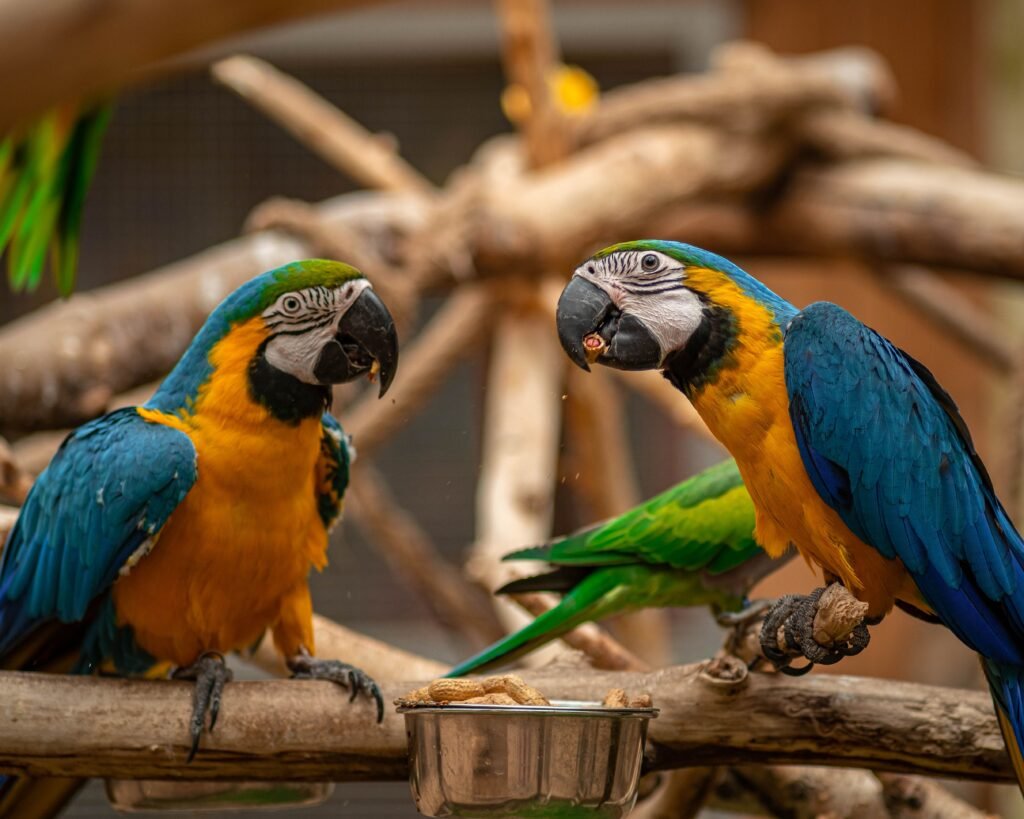
Two vibrant parrots feed from a pot surrounded by lush banana leaves outdoors.

How to Take Care of a Pet Parrot: Complete Guide

How to Take Care of a Pet Parrot: Complete Guide Introduction Parrots are intelligent, colourful and sociable birds that can bring years of enjoyment to the right home. However, keeping a parrot healthy requires more than providing food and a cage. These remarkable birds need a balanced diet, a safe environment, daily mental stimulation and regular interaction. Whether you are welcoming your first budgie or caring for a larger species such as an African Grey, Cockatoo or Macaw, understanding the fundamentals of parrot care will help you create a healthier and more comfortable environment for your feathered companion. At Exotic Parrot and Cage, we believe that responsible bird ownership starts with understanding your parrot’s needs and choosing suitable supplies. 1. Choose the Right Cage for Your Parrot A suitable cage is one of the most important investments you can make for your bird. The cage should provide enough room for your parrot to move comfortably, climb, stretch its wings and interact with its toys without becoming overcrowded. When choosing a bird cage, consider the following factors: Size: Select a cage appropriate for your parrot’s species, wingspan and activity level. Bar spacing: Ensure the gaps are narrow enough to prevent your bird from getting its head or body trapped. Material: Choose durable, bird-safe materials with a finish that will not expose your bird to harmful substances if chewed. Accessibility: Look for secure doors, easy-to-clean trays and convenient access to food and water bowls. Placement: Position the cage away from kitchen fumes, smoke, draughts and extreme temperatures. Bigger is generally better, provided the cage is safe and suitable for the species. Whenever possible, allow supervised exercise outside the cage in a bird-proofed area. 2. Provide a Balanced and Nutritious Diet Good nutrition plays a vital role in maintaining your parrot’s health. Feeding only seeds is not an appropriate long-term diet for many companion parrots because seed-heavy diets can be nutritionally unbalanced. Depending on the species and advice from an avian veterinarian, a suitable diet may include: A nutritionally complete commercial pellet formulated for the species. A variety of suitable fresh vegetables. Appropriate amounts of fresh fruit. Limited seeds and nuts, where suitable, as treats or dietary supplements. Clean drinking water available throughout the day. Wash fresh produce thoroughly and remove uneaten perishable food before it spoils. Never assume that food safe for humans is automatically safe for birds. Avocado, chocolate, caffeine and alcohol should not be given to parrots. If you are changing your bird’s diet, introduce new foods carefully and monitor its weight and food intake. Seek veterinary advice if your parrot refuses food or loses weight. 3. Keep Your Parrot Mentally Stimulated Parrots are intelligent animals that need opportunities to explore, chew, forage and solve problems. Without sufficient stimulation, some birds may develop boredom-related behaviours, including excessive screaming or destructive chewing. You can encourage healthy activity by providing: Bird-safe chewing toys. Foraging toys that encourage your parrot to work for food. Climbing ladders, swings and suitable perches. Regular positive-reinforcement training. Supervised opportunities for exercise and exploration. Rotate toys regularly to maintain interest, but introduce unfamiliar objects gradually. Inspect toys frequently and remove any damaged items that could cause injury or be swallowed. 4. Maintain a Clean Cage and Healthy Environment Good hygiene helps reduce the build-up of waste, spoiled food and harmful microorganisms. Establish a simple cleaning routine: Replace drinking water daily and whenever it becomes dirty. Wash food and water bowls regularly. Remove droppings and soiled cage lining. Clean perches and toys as needed. Deep-clean the cage using bird-safe products according to their instructions. Keep your parrot away from cleaning fumes and never use products around birds unless they are confirmed safe for the intended use. 5. Build Trust Through Daily Interaction Parrots are individuals, and each bird has its own personality. Some enjoy handling, while others prefer interaction at a comfortable distance. Build trust gradually by speaking calmly, offering appropriate treats and using positive reinforcement. Never force a frightened bird to step onto your hand or punish it for biting. Give your parrot consistent attention while respecting its need for rest and personal space. Learn to recognise changes in body language so you can respond appropriately. 6. Watch for Signs of Illness Birds can hide signs of illness, so even subtle changes deserve attention. Warning signs may include: Reduced appetite or unusual weight loss. Changes in droppings. Unusual tiredness or reduced activity. Fluffed-up feathers for prolonged periods. Difficulty breathing or sitting on a perch. Sudden changes in vocalisation or behaviour. Contact an avian veterinarian promptly if you notice concerning symptoms. Breathing difficulty, collapse or severe weakness requires urgent veterinary attention. Routine veterinary examinations are also important, even when your bird appears healthy. 7. Choose Quality Parrot Supplies The right supplies make everyday care easier and help provide a more stimulating environment. Depending on your bird’s needs, useful items may include a suitable cage, food and water bowls, natural perches, appropriate toys, cleaning supplies and species-specific food. Always check product suitability, safety and sizing before purchasing. A toy or accessory designed for a small bird may not be appropriate for a powerful Macaw or Cockatoo. Explore Exotic Parrot and Cage for parrot-related products and accessories that can help you prepare a comfortable environment for your feathered companion. Final Thoughts Learning how to take care of a pet parrot is an ongoing process. A safe cage, balanced nutrition, clean surroundings, appropriate enrichment and regular veterinary care all contribute to your bird’s well-being. Before bringing a parrot home, research the specific needs, lifespan, noise level and social requirements of your chosen species. Responsible preparation helps create a better experience for both you and your bird. Ready to prepare your bird’s home? Explore Exotic Parrot and Cage for parrot supplies, cages and accessories suited to your bird’s needs.

How to Take Care of a Pet Parrot: Complete Guide Read More »

macaw, parrot, cage, bird, animal, nature, pet, plumage, birdcage, ukraine war, ukraine flag, ukraine, blue yellow

Best Bird Cage for Parrots: Size, Safety & Buying Tips

Best Bird Cage for Parrots: Size, Safety & Buying Tips Introduction Choosing the best bird cage for your parrot is one of the most important decisions you will make as a bird owner. A cage is not simply a place to keep your bird; it is part of its everyday living environment, providing security, resting space and opportunities for activity. However, not every cage is suitable for every bird. A budgie, African Grey, Cockatoo and Macaw have different sizes, behaviours and physical needs. Understanding these differences will help you select a cage that supports your bird’s comfort and safety. In this guide, we explain what to consider when buying a parrot cage and how to create a practical, bird-friendly setup. 1. Choose the Correct Cage Size The first consideration when shopping for a bird cage should be space. Your parrot needs sufficient room to move between perches, climb, stretch its wings and interact with toys. Consider the following when comparing cage sizes: Your bird’s adult body size and wingspan. The amount of space available for movement. The number and arrangement of perches. The space occupied by feeding bowls and enrichment toys. Whether the cage will be used primarily for resting or for longer periods of confinement. A tall but narrow cage may not provide enough horizontal movement for many parrots. Look at the usable internal space rather than relying on the cage’s external dimensions alone. Always consult species-specific housing guidance when selecting a cage, and choose the largest safe option that your space and budget reasonably allow. 2. Check Bar Spacing and Cage Security Bar spacing is particularly important for smaller parrots. If the bars are too far apart, a bird could squeeze through or become trapped. For larger parrots, cage strength and secure construction are equally important because powerful beaks can damage unsuitable materials. Before buying, check that: The bar spacing is appropriate for your species. Doors and feeding openings close securely. Locks cannot be easily opened by an intelligent bird. The cage has no sharp edges or exposed hazardous components. The construction can withstand your bird’s chewing and climbing behaviour. Do not choose a cage based on appearance alone. Safety and species suitability should always come first. 3. Select Bird-Safe Materials Parrots frequently investigate their surroundings with their beaks. Consequently, the materials used in their cage deserve careful attention. Look for cages made from durable materials specifically suitable for birds, with a safe finish and construction. Stainless steel and appropriately manufactured powder-coated cages are common options, but suitability depends on product quality and the individual bird. Avoid cages with peeling coatings, rust, damaged welds or accessible materials that could expose your bird to toxins. If you are uncertain whether a cage is suitable for a particular species, consult the manufacturer or an avian veterinarian before purchasing it. 4. Consider the Cage Design Different cage designs serve different purposes. A practical design should make everyday care convenient while giving your parrot room to move. Useful features may include: Large access doors: Make it easier to clean the cage and interact with your bird safely. Removable trays: Help simplify routine cleaning. Secure feeding doors: Allow food and water bowls to be accessed without compromising security. Sturdy perches: Provide resting places and encourage movement. Wheels and mobility: Can make certain large cages easier to reposition, provided the wheels lock securely. Appropriate horizontal space: Supports climbing and movement between perches. Select features that suit your bird’s behaviour rather than paying extra for unnecessary additions. 5. Set Up the Cage Correctly Even a well-designed cage needs a thoughtful setup. Place perches at different heights and, where appropriate, use natural branches of different diameters to provide varied foot positions. Arrange food and water bowls so that droppings are less likely to contaminate them. Leave enough open space for movement, and avoid overcrowding the cage with accessories. Provide a selection of safe toys and opportunities for foraging. Introduce new items gradually, especially if your parrot is nervous about unfamiliar objects. The cage should be placed in a comfortable area away from smoke, cooking fumes, excessive noise and sudden temperature changes. Make sure the bird has opportunities for appropriate social interaction without being exposed to constant disturbance. 6. Choose the Right Cage Accessories The right accessories can make a cage more comfortable and stimulating. Depending on your bird’s species and preferences, consider: Bird-safe perches of suitable sizes and textures. Food and water bowls that are easy to clean. Appropriate chewing toys. Foraging and puzzle toys. Swings or climbing accessories suitable for the bird’s size. Cage liners that can be changed easily. Check accessories regularly for loose parts, fraying, sharp edges and other hazards. Remove damaged items immediately. Remember that a cage should not replace exercise and interaction. Provide suitable supervised time outside the enclosure in a bird-proofed space. 7. Keep Your Bird Cage Clean Regular cleaning is essential for maintaining a healthy living environment. Remove droppings and spoiled food, wash bowls frequently, replace dirty cage lining and clean surfaces as necessary. Use cleaning products appropriate for bird environments and follow all safety instructions. Never expose your bird to strong cleaning fumes. Allow cleaned items to dry appropriately before returning them to the cage. A cage with removable trays and accessible corners can make this routine much easier. 8. Where Can You Find a Suitable Parrot Cage? When shopping for a parrot cage, compare dimensions, materials, bar spacing, construction quality and ease of cleaning. Make sure the cage is suitable for your particular species and its expected adult size. At Exotic Parrot and Cage, you can explore parrot-related products and accessories to help create a practical home for your bird. Before purchasing any cage, review its specifications and confirm that it meets your bird’s housing requirements. Frequently Asked Questions What size cage does a parrot need? The appropriate size depends on the species, wingspan, activity level and time spent inside the cage. Choose a spacious enclosure that allows comfortable movement and consult species-specific housing recommendations. Is

Best Bird Cage for Parrots: Size, Safety & Buying Tips Read More »

Close-up of blue and yellow macaws eating together on tree branches outdoors.

What Do Parrots Eat? Healthy Parrot Food Guide

What Do Parrots Eat? Healthy Parrot Food Guide Introduction What do parrots eat, and how can you make sure your bird receives the nutrients it needs? These are important questions for anyone who owns or plans to keep a companion parrot. Parrots have different dietary requirements depending on their species, age, activity level and health. Although seeds and nuts are familiar parts of many parrots’ diets, feeding only these foods can leave a bird short of essential nutrients. A balanced feeding routine combines suitable formulated food with appropriate fresh produce and clean drinking water. In this guide, we explore the basics of parrot nutrition, foods to avoid and ways to encourage healthy eating habits. 1. What Is the Best Food for Parrots? For many companion parrots, a high-quality formulated pellet diet provides a useful nutritional foundation. Pellets are designed to deliver a more consistent range of nutrients than diets that allow birds to select only their favourite seeds. A suitable diet may include: Formulated pellets: Choose a complete product designed for your parrot’s species or size. Fresh vegetables: Offer suitable vegetables such as carrots, broccoli, leafy greens and bell peppers as part of a varied diet. Fresh fruit: Small portions of suitable fruits can add variety. Apples should be offered without the seeds, and fruit should not displace more nutritionally appropriate foods. Seeds and nuts: These may be useful in limited amounts, depending on the species and overall diet. They are often best used as occasional treats rather than the main food source. Fresh water: Provide clean drinking water every day and replace it whenever it becomes contaminated. The appropriate proportions vary between species and individuals. Ask an avian veterinarian to help establish a feeding plan that meets your bird’s needs. 2. Can Parrots Eat Fruits and Vegetables? Yes. Many parrots can eat a variety of suitable fruits and vegetables as part of a balanced diet. Vegetables to consider include: Carrots. Broccoli. Bell peppers. Squash. Leafy greens suitable for birds. Other bird-safe vegetables recommended for your species. Suitable fruits may include apples without seeds, berries, papaya and mango, provided they are prepared appropriately. Wash produce thoroughly and cut it into pieces that are manageable for your bird. Introduce unfamiliar foods gradually and remove uneaten fresh food before it spoils. Not every fruit, vegetable or plant is safe for parrots. Verify unfamiliar foods with a reliable avian veterinary resource before offering them. 3. What Foods Should Parrots Never Eat? Some foods and substances can be dangerous to companion birds. Avoid giving parrots: Avocado: Can be toxic to birds. Chocolate: Contains substances that can harm birds. Caffeine: Coffee, energy drinks and other caffeinated products are inappropriate for parrots. Alcohol: Even small exposures can be dangerous. Very salty foods: Excessive salt can harm birds. Mouldy or spoiled food: May contain harmful microorganisms or toxins. Avoid foods containing unknown ingredients and do not offer human snacks simply because your parrot appears interested in them. If your bird eats a potentially toxic substance, contact an avian veterinarian or emergency veterinary service immediately rather than waiting for symptoms. 4. Why a Seed-Only Diet Is Not Recommended Many parrots enjoy seeds, but a seed-only diet can be deficient or unbalanced. Some birds selectively eat their favourite high-fat seeds while leaving other components of a mixed diet untouched. Over time, this can contribute to nutritional problems. A complete formulated diet, combined with suitable fresh foods where appropriate, helps provide a more consistent nutritional foundation. However, the correct diet depends on the bird’s species, current health and individual needs. If your parrot currently eats only seeds, do not make a sudden change that leaves it without enough food. Some birds take time to accept unfamiliar pellets or produce. Work with an avian veterinarian to plan a gradual transition and monitor food intake and body weight. 5. How Often Should You Feed a Parrot? Most companion parrots benefit from a consistent feeding routine, with access to appropriate food and fresh drinking water. The precise schedule depends on the species, age, health and type of food offered. Young birds, birds receiving specialised diets and birds with medical conditions may require different arrangements. To develop a good routine: Offer the appropriate daily diet at consistent times. Check that your bird is actually eating rather than simply scattering food. Remove spoiled fresh produce. Monitor food intake and body weight. Keep water fresh and available. Consult a veterinarian if your bird’s appetite changes. Never assume that an apparently full food bowl means your parrot has eaten enough. Some birds discard food or selectively eat only certain ingredients. 6. Make Mealtimes More Interesting With Foraging In the wild, parrots spend considerable time finding and handling food. Safe foraging activities can help provide mental stimulation and encourage natural behaviours in captivity. You can make feeding more engaging by: Using bird-safe foraging toys. Offering suitable foods in different safe locations. Encouraging your bird to work gently for treats. Introducing new textures and suitable vegetables. Changing enrichment activities to maintain interest. Make sure your bird can access enough of its normal diet and cannot become trapped in a toy. Inspect all feeding accessories for damage and remove unsafe materials. Foraging should complement a nutritionally balanced diet, not replace it. 7. How to Introduce New Foods to a Picky Parrot Some parrots are cautious about unfamiliar foods. Patience and consistency are often more helpful than forcing a bird to eat something new. Try these approaches: Start small: Offer a tiny portion of a new, bird-safe food alongside familiar food. Vary the presentation: Some birds prefer chopped vegetables, while others may explore larger pieces. Model interest: Your calm interaction with a food item may encourage a curious bird to investigate it. Keep track of intake: Make sure your parrot continues eating enough of its usual diet during any transition. Avoid sudden dietary changes: A bird that refuses unfamiliar food can become unwell if it stops eating adequately. Seek veterinary advice before making major dietary changes, particularly if your parrot

What Do Parrots Eat? Healthy Parrot Food Guide Read More »